Buying a pre-owned vehicle is one of the smartest moves you can make financially — you avoid the steepest years of depreciation, pay less for coverage and taxes, and often get more vehicle for your budget than you would new. But "pre-owned" covers a huge range, from a low-mileage off-lease SUV to a well-worn commuter car, and picking the right one means knowing what to look for before you start browsing listings.
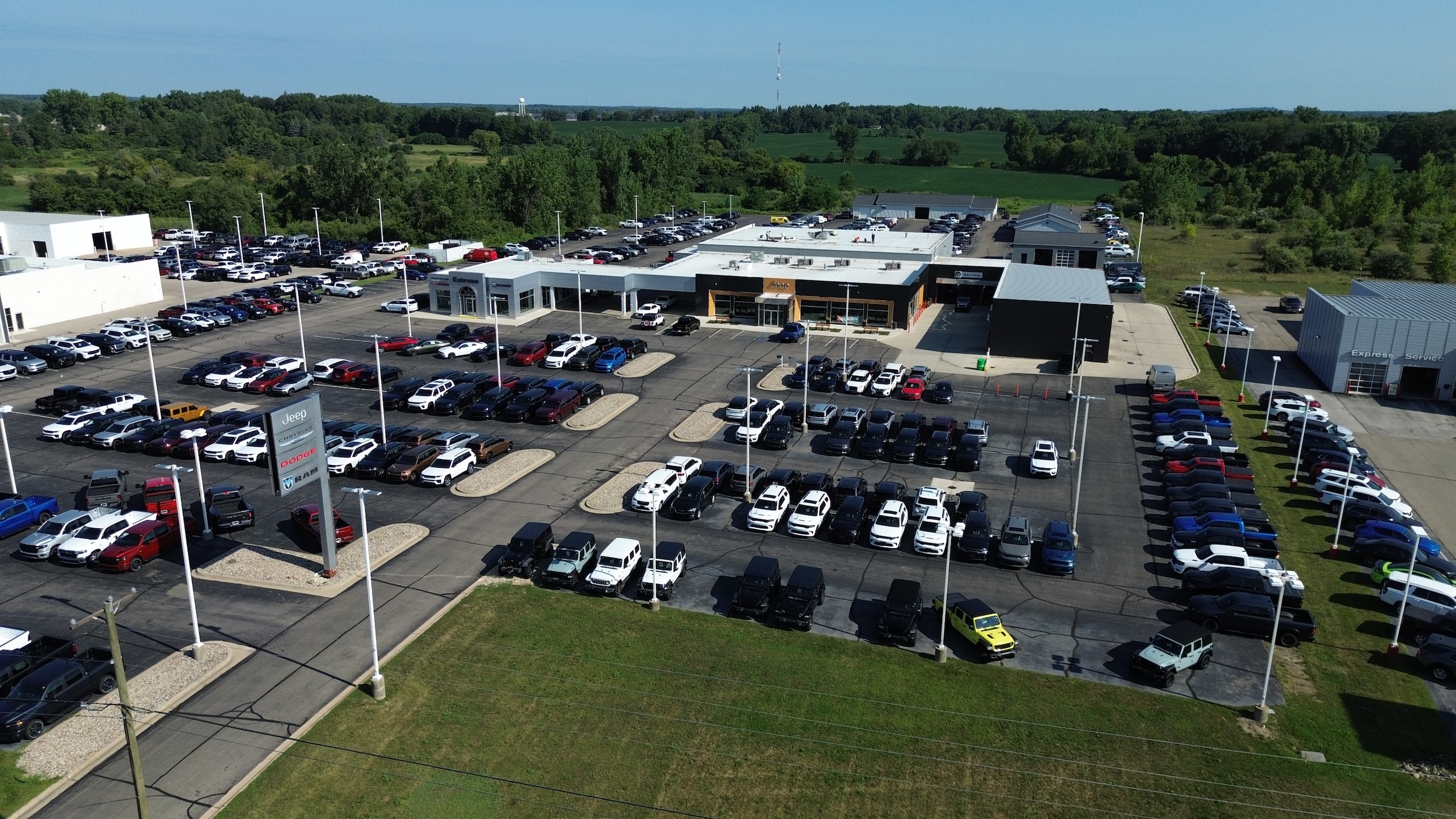
At Extreme Dodge Chrysler Jeep Ram in Jackson, MI, we help drivers across Jackson, Ann Arbor, and Lansing find pre-owned vehicles that actually fit their life — not just whatever's sitting on the lot. Here's how to approach the search.
1. Start With How You'll Actually Use the Vehicle
Before you look at a single listing, get specific about what the vehicle needs to do for you day to day. A daily commuter has different priorities than a vehicle that needs to tow a boat or haul job-site equipment. Think through:
- Passengers and cargo — do you need three-row seating, or is a compact SUV plenty?
- Towing and payload — will you be pulling a trailer, camper, or boat regularly?
- Weather and terrain — Michigan winters make 4x4 or AWD worth serious consideration.
- Commute distance — longer commutes make fuel economy and mileage history more important.
Narrowing this down first keeps you from falling for a vehicle that looks great but doesn't actually fit your life. Our pre-owned SUVs, pre-owned trucks, pre-owned vans, and third-row vehicles pages are organized to make this kind of narrowing easy.
2. Set a Real Budget — Not Just a Monthly Payment
It's easy to shop by monthly payment alone, but that number can hide a longer loan term or a higher interest rate than you'd choose otherwise. Before you fall in love with a vehicle, get a sense of:
- What you can put down, including any trade-in value
- What loan term you're comfortable with
- Total cost, not just the monthly number
If you're trading in your current vehicle, our KBB trade-in tool gives you a real number to work with before you ever set foot on the lot. And if your credit isn't where you'd like it to be, our credit-challenged financing program is built specifically to help buyers rebuilding credit still get into a reliable vehicle.
3. Understand the Difference Between Used and Certified Pre-Owned
Not all pre-owned vehicles are created equal. A standard used vehicle is sold as-is based on its condition at the time of sale. A certified pre-owned (CPO) vehicle has been inspected against a manufacturer or dealer checklist, typically comes with additional warranty coverage, and often includes perks like roadside assistance.
If peace of mind matters more to you than shaving every last dollar off the price, our pre-owned inventory is worth a look before you rule it out — the extra protection is often worth more than the price difference.
4. Check the Vehicle History — Every Time
A clean-looking vehicle can still be hiding a rough past. Before committing to any pre-owned vehicle, you'll want to know:
- Has it been in an accident, and if so, how significant?
- Has it had a salvage or rebuilt title at any point?
- Is the mileage consistent with its history — no gaps or rollbacks?
- How many previous owners has it had?
- Was it regularly serviced, or does its maintenance history have long gaps?
A vehicle history report combined with a pre-purchase inspection is the closest thing to a guarantee you'll get in the used market — don't skip either one.
5. Take It for a Real Test Drive
A five-minute loop around the block won't tell you much. When you test drive a pre-owned vehicle, try to include:
- City driving and, if possible, highway speeds
- Full acceleration and braking, not just gentle stops
- Turning the wheel lock-to-lock to check for unusual noises
- Testing every feature you actually plan to use — infotainment, climate control, seat adjustments, towing equipment
If something feels off — a pull to one side, a hesitation, an unfamiliar noise — it's worth asking about before you move forward, not after you've signed.
6. Don't Skip the Paperwork
Before you finalize a purchase, make sure you understand what's included: any remaining factory warranty, the terms of an extended warranty if you're adding one, and exactly what documents you'll need on hand. Our guide on what to bring to the dealership walks through everything ahead of time so your visit is quick and straightforward.
How Extreme DCJR Makes the Search Easier
- Search all pre-owned inventory by make, model, price, or body style.
- Vehicles under $15,000 if budget is your top priority.
- Pre-owned clearance inventory for the best available pricing.
- KBB trade-in tool to know your trade value before you negotiate.
- Flexible financing, including options for buyers rebuilding credit.
- One dedicated team member from your first question through delivery — no runaround between sales and finance.
Frequently Asked Questions About Buying a Pre-Owned Vehicle
What's the difference between a used vehicle and a certified pre-owned (CPO) vehicle? A used vehicle is sold based on its current condition with no added inspection standard. A certified pre-owned vehicle has passed a manufacturer or dealer inspection checklist and typically comes with extended warranty coverage and added benefits like roadside assistance, which usually makes it a safer bet for buyers who want more protection.
How many miles is too many miles on a used car? There's no universal cutoff — a well-maintained vehicle with 90,000 miles can outlast a neglected one with 40,000. What matters more is service history and how the mileage was accumulated (steady highway miles wear a vehicle differently than stop-and-go city driving). A vehicle history report and inspection tell you far more than the odometer alone.
Should I get a pre-purchase inspection even on a certified pre-owned vehicle? It doesn't hurt to ask what the CPO inspection specifically covered, but most certified programs already include a multi-point inspection as part of certification. For non-certified used vehicles, an independent inspection is strongly recommended before you commit.
Is it better to finance or pay cash for a used vehicle? It depends on your financial situation. Financing can preserve cash for other needs and, with a reasonable rate, isn't necessarily a bad option — but it does mean paying interest over time. Paying cash avoids that interest entirely if you have the funds available. Either way, it's worth comparing your options rather than defaulting to one or the other.
How much should I offer below the asking price? There's no fixed percentage that works across the board — it depends on how the vehicle is priced relative to market value, how long it's been listed, and its condition. Research comparable listings for the same make, model, year, and mileage to get a realistic sense of where the price should land before you negotiate.
What documents do I need to buy a used car? Typically a valid driver's license, proof of insurance, and payment or financing information. If you're trading in a vehicle, bring the title (or loan payoff information) and registration. Our dealership document guide breaks down exactly what to have ready.
Can I trade in a vehicle I still owe money on? Yes. If you still owe on your current vehicle, its trade-in value gets applied against the remaining loan balance. If the vehicle is worth more than what you owe, that difference reduces the price of your next vehicle; if you owe more than it's worth, the difference can typically be rolled into your new financing.
Does a used vehicle still come with any warranty? It depends on the vehicle. Some pre-owned vehicles still have time or mileage remaining on their original factory warranty, and certified pre-owned vehicles come with additional coverage built in. For added protection on any pre-owned vehicle, extended warranty coverage is also available.
Ready to start browsing? Explore our full pre-owned inventory or check your trade-in value before you visit Extreme Dodge Chrysler Jeep Ram in Jackson, MI.