
Your vehicle is one of the biggest investments you'll make — and like any investment, it holds its value best when it's cared for consistently. Whether you're driving a Ram 1500 to a job site, a Jeep Wrangler down a Michigan back road, or a Chrysler Pacifica to weekend soccer practice, routine maintenance is what keeps that vehicle safe, reliable, and worth what you paid for it.
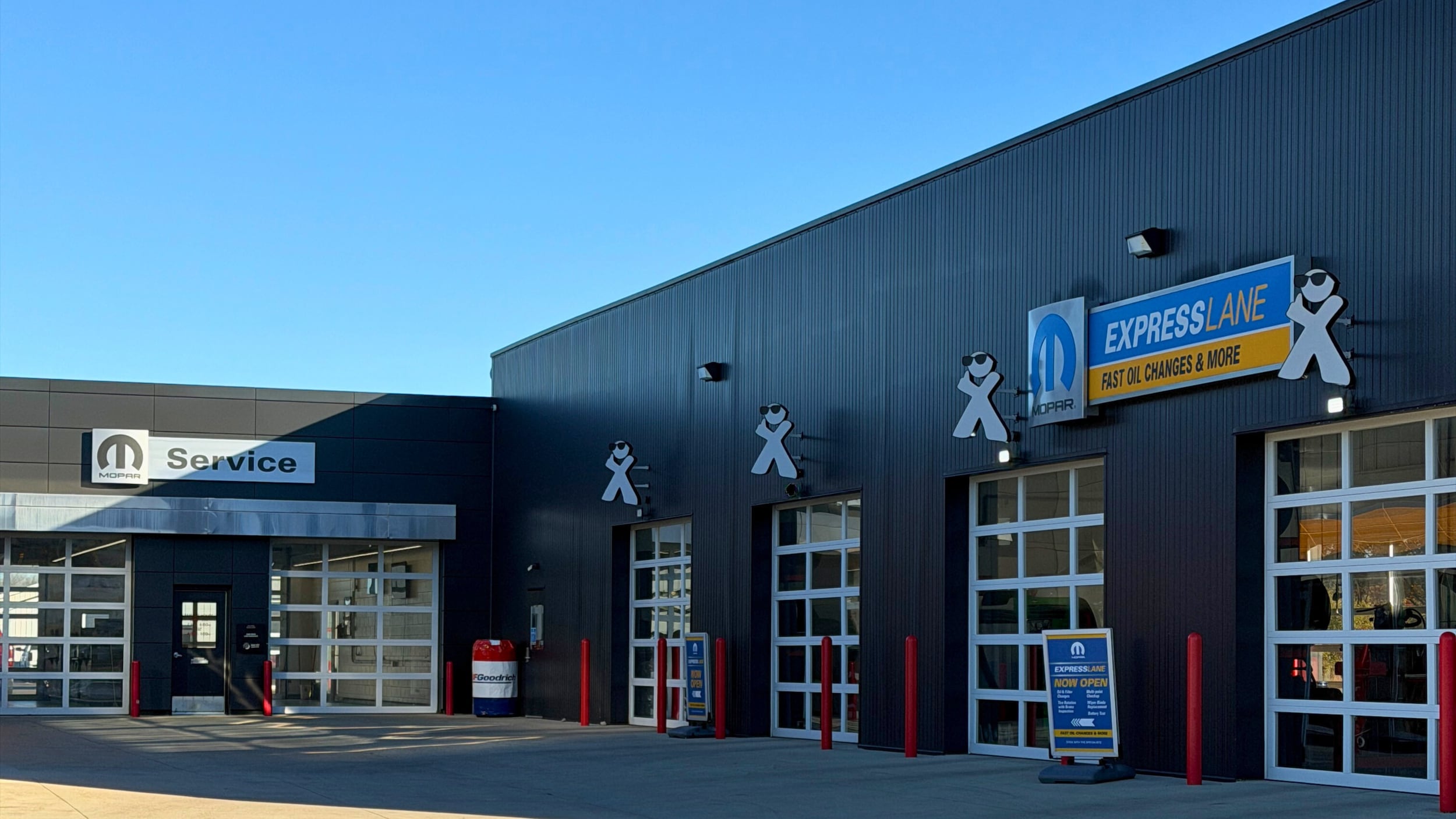
At Extreme Dodge Chrysler Jeep Ram in Jackson, MI, our Mopar-certified service center works on everything from quick oil changes to major repairs for drivers across Jackson, Ann Arbor, and Lansing. Here's why staying on top of service matters more than most drivers realize — and how we make it simple to do.
1. Maintenance Protects Your Safety
Brakes, tires, steering, and suspension components wear down gradually, which means problems can build for months before they become obvious. Squealing brakes, a shaking steering wheel, or a soft brake pedal are all signs that a system is already compromised. Scheduled inspections catch these issues while they're still minor — and minor issues are far easier (and cheaper) to fix than the failures they turn into.
A properly maintained vehicle also responds the way it's supposed to in an emergency. Worn tires take longer to stop on wet or icy roads — a real concern during Michigan winters — and aging brake components can mean the difference between a close call and a collision.
2. It Prevents Small Problems From Becoming Expensive Ones
A $60 oil change is a lot cheaper than a $6,000 engine replacement. Most major repairs don't happen out of nowhere — they're usually the result of a smaller issue that went unaddressed. Low or dirty oil leads to engine wear. A neglected timing belt can fail entirely. Old coolant loses its ability to protect the engine from overheating. Routine service is essentially preventive medicine for your vehicle: cheap, quick, and far less painful than the alternative.
This is also where a factory-recommended maintenance schedule earns its keep. Manufacturers build these schedules around exactly when parts and fluids start to break down, so following them (rather than guessing) is the most reliable way to avoid surprise breakdowns.
3. It Keeps Your Factory Warranty Intact
Many new Dodge, Chrysler, Jeep, and Ram owners don't realize that skipping recommended maintenance can jeopardize warranty coverage if a related component fails. Keeping documented service records — ideally from a certified shop — protects your claim if something does go wrong down the road. Our service department keeps digital records tied to your VIN, so there's no folder of paper receipts to track down later.
4. It Preserves Resale and Trade-In Value
When it's time to sell or trade in your vehicle, a documented service history is one of the strongest things you can offer a buyer — or a dealer. A well-maintained vehicle with clean records typically appraises higher than one with an unknown maintenance history, even if both look identical from the outside. Buyers are paying for confidence as much as they're paying for the vehicle itself.
5. It Improves Fuel Efficiency and Day-to-Day Performance
Dirty air filters, worn spark plugs, and underinflated tires all force your engine to work harder than it needs to — which shows up directly at the pump. Regular maintenance keeps your vehicle running the way it was engineered to run, which means smoother acceleration, better fuel economy, and fewer of those small annoyances (rough idling, hesitation, odd noises) that chip away at the ownership experience.
What Routine Maintenance Actually Looks Like
A solid maintenance routine typically includes:
- Oil and filter changes on the schedule your owner's manual recommends
- Tire rotations and pressure checks to promote even wear and safe handling
- Brake inspections to catch pad and rotor wear early
- Fluid checks — coolant, brake fluid, transmission fluid, and power steering fluid
- Battery testing, especially before Michigan winters
- Multi-point inspections to catch belt, hose, and suspension wear before it becomes a breakdown
How Extreme DCJR Makes Maintenance Easy
We built our service process around convenience, not just repairs:
- Schedule a service appointment online in a few minutes, any time of day.
- Express Lane quick-lube check-in gets you in and out for routine oil changes without a full appointment.
- Service and parts coupons help you save on the maintenance you were going to need anyway.
- Mopar-certified technicians who work on your make and model every day, using manufacturer-approved parts.
- Same-day or next-day parts availability so repairs don't stall out waiting on shipping.
- Free Mopar recall check by VIN, so you always know if there's an open safety recall on your vehicle.
For added peace of mind, our extended warranty coverage can help protect major systems like the powertrain, brakes, and electrical components well beyond the factory warranty period.
Frequently Asked Questions About Vehicle Maintenance
How often should I change my oil? Most modern vehicles need an oil change every 5,000 to 10,000 miles, depending on the type of oil used and your driving habits. Your owner's manual has the exact interval for your specific make and model — our service team can also look it up by VIN.
How do I know when my tires need to be replaced? Check tread depth with a simple penny test: insert a penny into the tread groove with Lincoln's head upside down. If you can see the top of his head, it's time for new tires. Also watch for uneven wear, cracking, or bulges, and check pressure monthly using the number on the sticker inside your driver's door jamb — not the number on the tire itself.
Why is my check engine light on? It can mean anything from a loose gas cap to a more serious engine or emissions issue. Because the light doesn't tell you which one it is, the safest move is having it scanned by a technician as soon as possible rather than guessing or ignoring it.
How often should my brakes be inspected? Brake pads generally last between 25,000 and 70,000 miles depending on driving style and conditions. Squealing, grinding, a spongy pedal feel, or vibration when braking are all signs it's time for an inspection sooner rather than later.
What fluids does my vehicle need checked regularly? Beyond engine oil, your vehicle relies on brake fluid, coolant, transmission fluid, and power steering fluid. Each one breaks down over time and plays a role in either safety or long-term engine health, which is why they're part of a standard multi-point inspection.
Does skipping maintenance really affect my warranty? It can. Manufacturers can deny a warranty claim if they can show a failure was caused by lack of proper maintenance. Keeping service records — especially from a certified dealership service center — is the easiest way to protect your coverage.
How do I check my car battery's health? Most drivers don't check their battery until it fails, but a quick load test (available during any service visit) can tell you how much life is left before it strands you. This matters most heading into Michigan winters, when cold weather puts extra strain on aging batteries.
Is it worth using the dealership for service instead of an independent shop? Dealership technicians work on your exact make and model every day and use manufacturer-approved (Mopar) parts, which matters for warranty protection and long-term reliability. Independent shops can be a fine option for basic work, but for anything tied to a recall, warranty claim, or manufacturer-specific system, a certified service center is the safer choice.
Ready to get ahead of your next service? Schedule an appointment with Extreme Dodge Chrysler Jeep Ram in Jackson, MI, or stop by the Express Lane for a quick oil change — no appointment needed.